About Bhutan

A kingdom that measures its progress in happiness.

History, philosophy and daily life in the last independent Buddhist kingdom of the Himalaya - as our guides know it, not as a guidebook summarizes it.
A brief history

From scattered valleys to a unified kingdom.

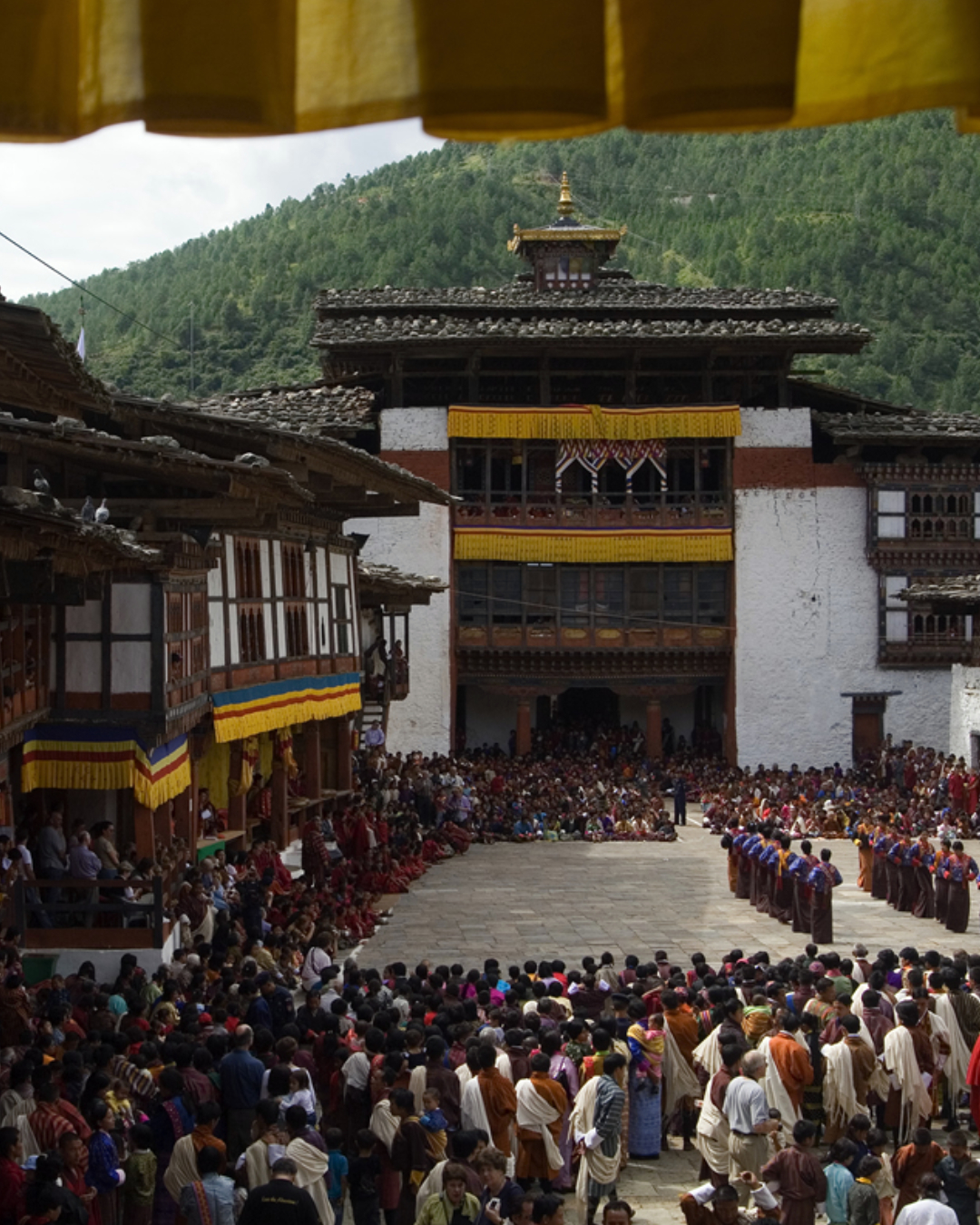
Around 1500 BCE, the peoples of these valleys lived by herding - sheep, goats and yak. Buddhism arrived in the 7th century, and in the 8th century the Indian master Padmasambhava spread the faith more widely; from that time on, it became inseparable from Bhutanese culture.

For centuries, though, the many ethnic groups scattered across the valleys remained fiercely divided. It was Ngawang Namgyal who first organized the country under a dual system of spiritual and temporal authority - the foundation of the Bhutan that exists today.

Photo:
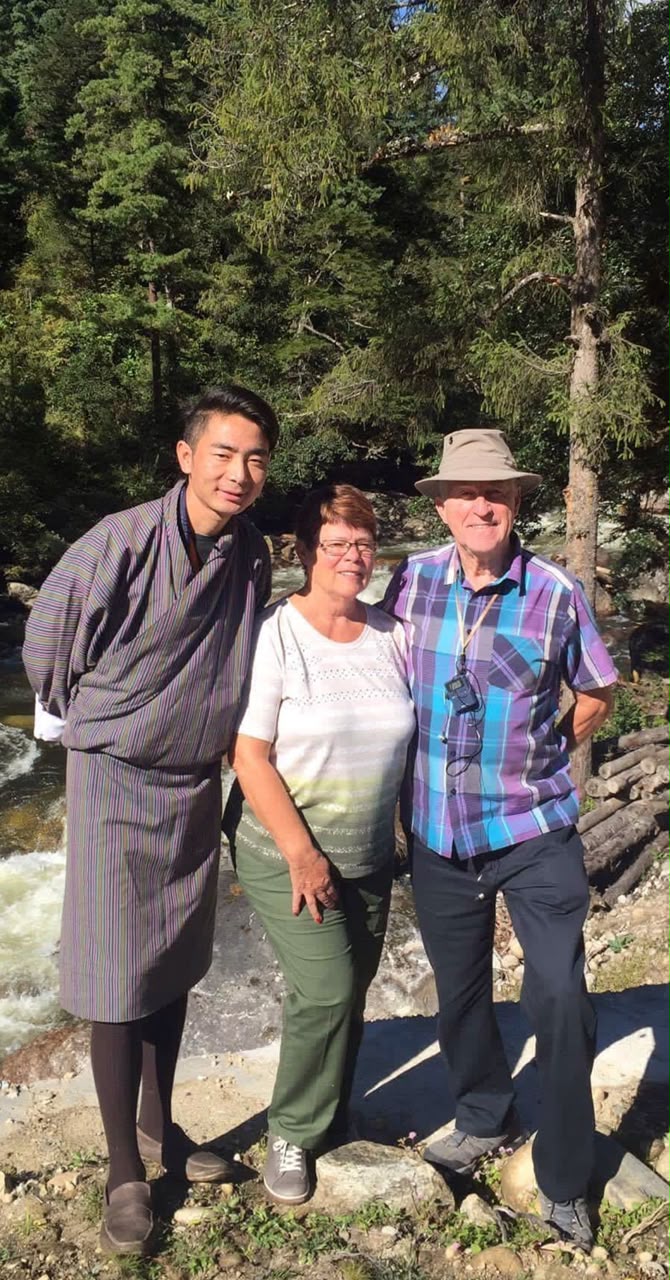
Pem Dorji, founder
Who we are

Atmosphere Bhutan.

Atmosphere Bhutan is a licensed travel agency (Tourism Council of Bhutan license no. 10 36 05 5) based in Thimphu - the capital of the "Land of the Dragon." We design personalized, made-to-measure itineraries and accompany our guests through Bhutan's protected landscapes, always with a real emphasis on meeting local people along the way.

Our team speaks French, English, Japanese, German, Spanish, Korean and Chinese. We specialize in cultural journeys, trekking toward the roof of the world, and spiritual travel among Bhutan's Buddhist monks - and we're glad to shape a trip around almost any interest you bring us.

Development philosophy

Gross National Happiness.

Bhutan holds an unusual belief for a modern nation: that amassing material wealth - Gross National Product - does not necessarily lead to happiness. Where most economists argue that material development is the key to wellbeing, Bhutan measures its progress instead through Gross National Happiness.

His Majesty the Third Druk Gyalpo, Jigme Dorji Wangchuck, framed the goal of development plainly: not the pursuit of wealth for its own sake, but the wellbeing of the people themselves. That principle still shapes national policy today, from free healthcare and education to strict environmental protection.

Faith & people

Religion and the peoples of Bhutan.

The Bhutanese constitution guarantees freedom of religion - citizens and visitors alike are free to practice any faith that does not infringe on the rights of others. Around three-quarters of the population practice Buddhism, alongside Hinduism, Christianity and Islam.

Bhutan's population is drawn from several distinct peoples. The Tshanglas, or Sharchops, are considered the aboriginal inhabitants of eastern Bhutan, traditionally settled around Mongar, Trashigang, Trashiyangtse, Pema Gatshel and Samdrup Jongkhar. Every region carries its own language, dress and customs - one of the reasons a single "Bhutan itinerary" rarely does the country justice.

Ready to see it yourself?

Let's build your route through it.

Browse journeys